May 12, 2026 • Diane Bennett • 10 min reading time • Prices verified June 28, 2026
Whey Isolate vs. Concentrate: The Label Differences That Actually Change Your Results
Whey protein is the powdered form of one of the two main proteins found in dairy milk — the liquid that separates out during cheese-making. Once filtered and dried, that whey becomes the protein powder on the shelf. But here’s the part most first-time buyers don’t realize: “whey protein” is actually a category, not a single product. The two most common forms — whey concentrate and whey isolate — are processed differently, and those processing differences show up directly in the nutrition label, the price tag, and sometimes in how your body responds. If you’ve ever wondered why one tub costs $35 and another costs $65 for what looks like the same 5 lbs of powder, this guide explains exactly what you’re paying for, what the tradeoffs are, and how to make the call that fits your goals.
| EDITOR'S PICK[Dymatize Elite 100% Whey Protei…](https://www.amazon.com/dp/B00CUDYY2U?tag=greenflower20-20) | Mid-tier[BulkSupplements.com Whey Protei…](https://www.amazon.com/dp/B00E7IODXQ?tag=greenflower20-20) | Budget pick[Optimum Nutrition Gold Standard…](https://www.amazon.com/dp/B000QSNYGI?tag=greenflower20-20) | |
|---|---|---|---|
| Protein per Serv | 25g | 30g | — |
| BCAAs | 5.5g | — | — |
| L-Leucine | 2.7g | — | — |
| Flavor | Chocolate | Unflavored | Chocolate |
| Gluten Free | — | ✓ | — |
| Servings | 63 | — | — |
| Price | $76.18 | $47.97 | $41.27 |
| See on Amazon → | See on Amazon → | See on Amazon → |
What the Processing Actually Does (and Why It Shows Up on the Label)
Both concentrate and isolate start from the same raw material: liquid whey. From there, the manufacturing path diverges.
Whey concentrate goes through a relatively light filtration process — typically ultrafiltration — that removes most of the water, some fat, and some lactose (the natural sugar in milk), but leaves behind meaningful amounts of both. A standard whey concentrate lands at roughly 70–80% protein by weight, with the remaining mass made up of fat, carbohydrates (primarily lactose), and trace bioactive compounds like immunoglobulins and lactoferrin.
Whey isolate goes through a more aggressive purification step — either additional cross-flow microfiltration or ion-exchange processing — that strips out nearly all the fat and lactose. The result is a powder that’s typically 90–95% protein by weight, with very low fat (often under 1g per serving) and minimal carbohydrates.
That difference in processing is the single variable that cascades into everything else: macros per scoop, price per gram of protein, lactose content, and sometimes — though less dramatically than brands imply — digestion speed.
The Macro Math, Side by Side
A realistic comparison per 30g scoop, based on label averages across major products as reflected in Labdoor’s protein powder testing reports and ConsumerLab’s protein powder reviews:
| Whey Concentrate | Whey Isolate | |
|---|---|---|
| Protein per 30g scoop | 21–24g | 25–27g |
| Fat | 2–4g | 0.5–1g |
| Carbs / Lactose | 3–6g | 1–2g |
| Price per 5 lb tub (2025–2026 market) | $35–$55 | $55–$80 |
| Cost per gram of protein | ~$0.04–0.06 | ~$0.06–0.08 |
The numbers here aren’t a knock on concentrate — they’re just the honest tradeoff. You’re paying more per gram of protein with isolate because more of the non-protein mass has been removed.
Where the Difference Actually Shows Up in Your Results
This is the section most buying guides skip. They tell you what the products are — but not when the difference matters and when it doesn’t.
Calorie Budget and Body Composition Phases
If you’re in a cut, or managing a tight daily calorie ceiling, the macro gap between isolate and concentrate is real and cumulative. Two scoops per day means an extra 4–8g of fat and 6–12g of carbs from concentrate compared to isolate — that’s roughly 60–80 extra calories daily, or 420–560 per week. Over a 12-week cut phase, that math is no longer trivial.
For a lifter in a surplus whose daily calorie target is 3,500+ and who has plenty of macro room, those same extra calories are a non-event. The International Society of Sports Nutrition’s Position Stand on Protein and Exercise (available at issn.net) emphasizes total daily protein quantity and distribution as the primary drivers of hypertrophy outcomes — not the specific form of the protein. Concentrate and isolate have equivalent amino acid profiles; the filtration process does not meaningfully alter the leucine content or BCAA ratio that drives muscle protein synthesis.
Decision rule: If you’re in a defined cut or managing macros with precision, isolate earns its price premium. If you’re in a maintenance or mass phase and hitting your protein number, concentrate at a lower cost-per-gram is the rational call.
Lactose Sensitivity
This one is more nuanced than most brands let on. Whey concentrate is lower in lactose than whole dairy milk — it is not a direct milk substitute. A typical serving of concentrate contains 3–5g of lactose; a glass of milk contains roughly 12g. For people with mild lactose sensitivity, many tolerate concentrate without issue.
That said, whey isolate’s near-zero lactose content (~0.5g per serving) does make it the appropriate default for anyone with documented lactose intolerance, or anyone who has noticed consistent GI discomfort with concentrate products. Examine.com’s whey protein research summary notes that GI distress sometimes attributed to concentrate is inconsistently documented in controlled trials and may often reflect individual lactose thresholds rather than something inherent to the concentrate form itself.
Decision rule: Confirmed lactose intolerance → isolate, full stop. Mild bloating history → try a quality concentrate first before assuming you need to pay the isolate premium.
Digestion Rate: Smaller Effect Than Marketed
Brands selling isolate frequently lean on “faster absorption” as a key selling point. The science here is narrower than the marketing implies. Whey in both forms is already a fast-digesting protein compared to casein or soy. The additional speed of isolate versus concentrate is marginal — a difference of minutes in gastric emptying, not a metabolically meaningful window that changes muscle protein synthesis outcomes in practice for most athletes.
The ISSN’s position stand on protein and exercise acknowledges that a post-workout anabolic window exists but is broader than the old “30 minutes or it doesn’t count” dogma suggested. For athletes eating regular meals throughout the day and consuming protein across multiple feedings, the slight digestion-rate edge of isolate versus concentrate is unlikely to produce measurable outcome differences.
Reading the Label Like a Practitioner
Here’s where intermediate buyers can protect themselves from marketing sleight of hand.
Protein Spiking: Check for Third-Party Verification
Protein spiking — sometimes called nitrogen spiking — is the practice of adding cheap amino acids, most commonly taurine, glycine, or creatine, to artificially inflate a product’s nitrogen content, which is what standard protein assays measure. The product tests as high-protein on a nitrogen basis even though the buyer is getting less actual whey. ConsumerLab’s protein powder review series has identified multiple products across testing cycles where label-claimed protein significantly exceeded independently verified protein content.
Your protection: look for NSF Certified for Sport or Informed Sport certification on the label. Per the NSF Certified for Sport program overview published at nsfsport.com, certified products undergo batch testing that includes verifying label claims — not just screening for banned substances. Labdoor’s protein powder ranking reports, available at labdoor.com, independently verify protein content per serving against label claims. Products that have maintained strong third-party testing credentials in recent audit cycles include those from Transparent Labs, Momentous, Thorne, and Bare Performance Nutrition.
”Whey Protein Blend” Is a Yellow Flag
A label reading “whey protein blend” rather than listing isolate or concentrate as a distinct primary ingredient typically means the product is a mixture — often concentrate-heavy with a token amount of isolate added to justify premium positioning. The ratio is rarely disclosed. Unless the manufacturer publishes a Certificate of Analysis or third-party test showing actual protein fractions, treat blends as concentrate-quality products priced at isolate-level margins.
Serving Size Manipulation
Compare products on protein per 100 calories, not protein per serving. Serving sizes vary across brands — some use 25g scoops, some use 35g scoops. A product delivering 24g protein from a 35g scoop is underperforming relative to one delivering 24g from a 28g scoop. Doing the per-100-calorie math eliminates this distortion quickly.
Price Tiers and What You’re Actually Getting
In the current 2025–2026 supplement market, the pricing landscape breaks down into three clear tiers. Each tier serves a different buyer profile — and the decision of which tier fits you should come down to your training phase, your certification requirements, and your tolerance for label uncertainty.
Budget-Tier Concentrate: Best for Surplus and Maintenance Phases
Price range: $35–$50 per 5 lbs
Entry-tier concentrate products are appropriate for any lifter not in a precise cut and without lactose concerns. Optimum Nutrition Gold Standard Whey sits at the top of this category for brand trust and third-party audit history. It is a concentrate-dominant blend with a long track record of Labdoor scores validating label accuracy. For a lifter in a surplus or maintenance phase consuming two scoops daily, the extra fat and carbohydrate grams relative to isolate are absorbed easily into a wider macro budget, and the lower cost per gram of protein is a genuine advantage over months of use.
Optimum
$41.27
In stock on Amazon
Check price on AmazonMid-Tier Isolate: Best for Cuts, Physique Prep, and Lactose Sensitivity
Price range: $55–$75 per 5 lbs
Transparent Labs 100% Whey Protein Isolate and Legion Whey+ both occupy this tier and publish Certificates of Analysis on request. Both are single-source isolate products with clean labels — no artificial dyes, minimal filler — and both have maintained strong Labdoor scores for label accuracy. This is the right tier for physique athletes in prep phases, anyone managing a strict calorie ceiling, or anyone with documented or suspected lactose sensitivity. The cleaner macro profile at this tier is a practical tool, not a marketing abstraction.
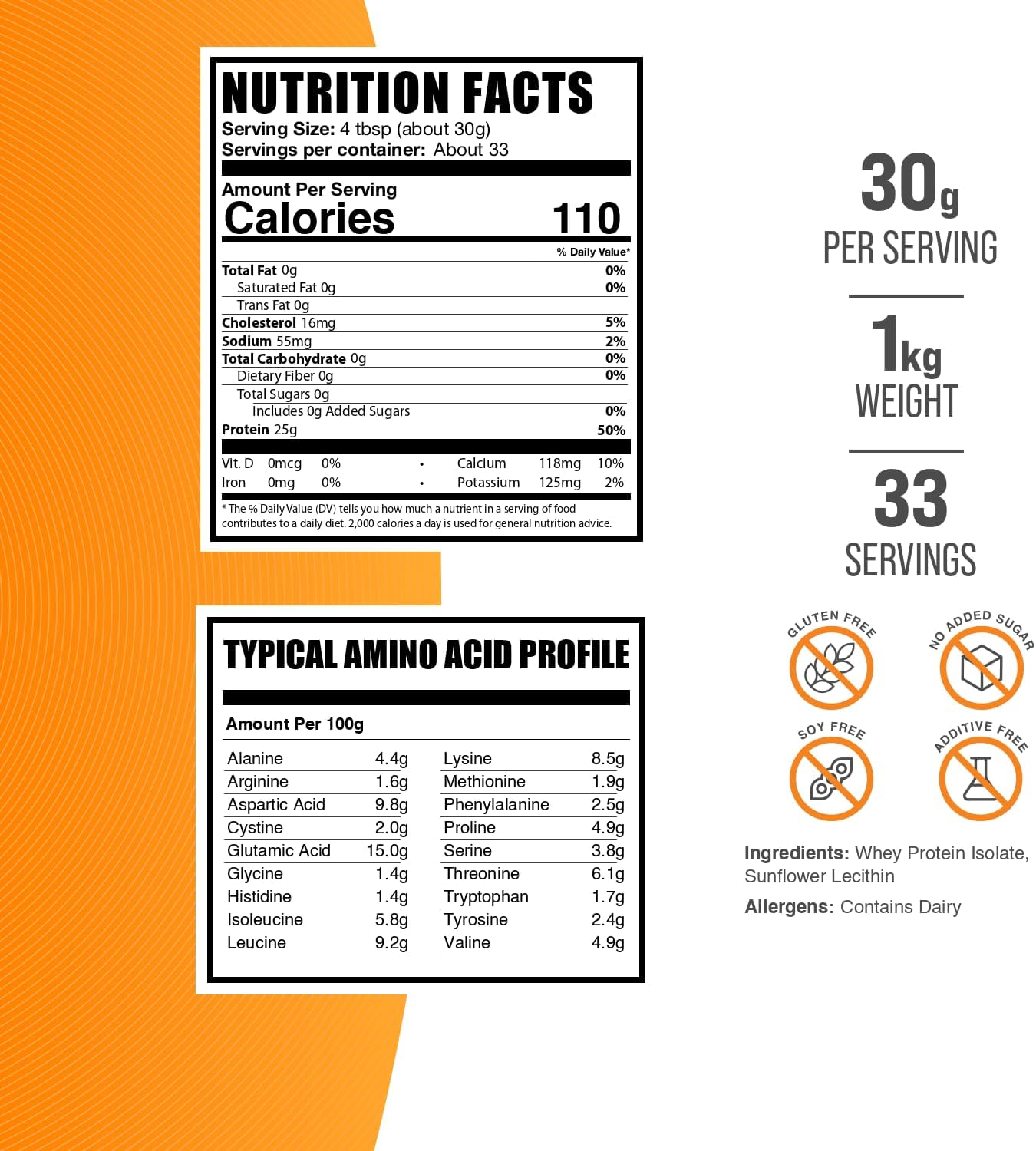
BulkSupplements.com
$47.97
In stock on Amazon
Check price on AmazonPremium Certified Isolate: Best for Drug-Tested Competition and Clinical Use
Price range: $80–$110 per 5 lbs
Momentous Grass-Fed Whey Protein and Thorne Whey Protein Isolate play in this tier. The premium reflects grass-fed sourcing, tighter third-party certification — Momentous carries NSF Certified for Sport designation as described in the NSF Certified for Sport program overview at nsfsport.com — and brand positioning toward the clinical and professional athlete market. For competitive natural bodybuilders, drug-tested federation athletes, and coaches recommending products to clients who face formal testing, this tier’s certification credentials justify the cost differential. You are paying for documented batch-level testing, not marketing.
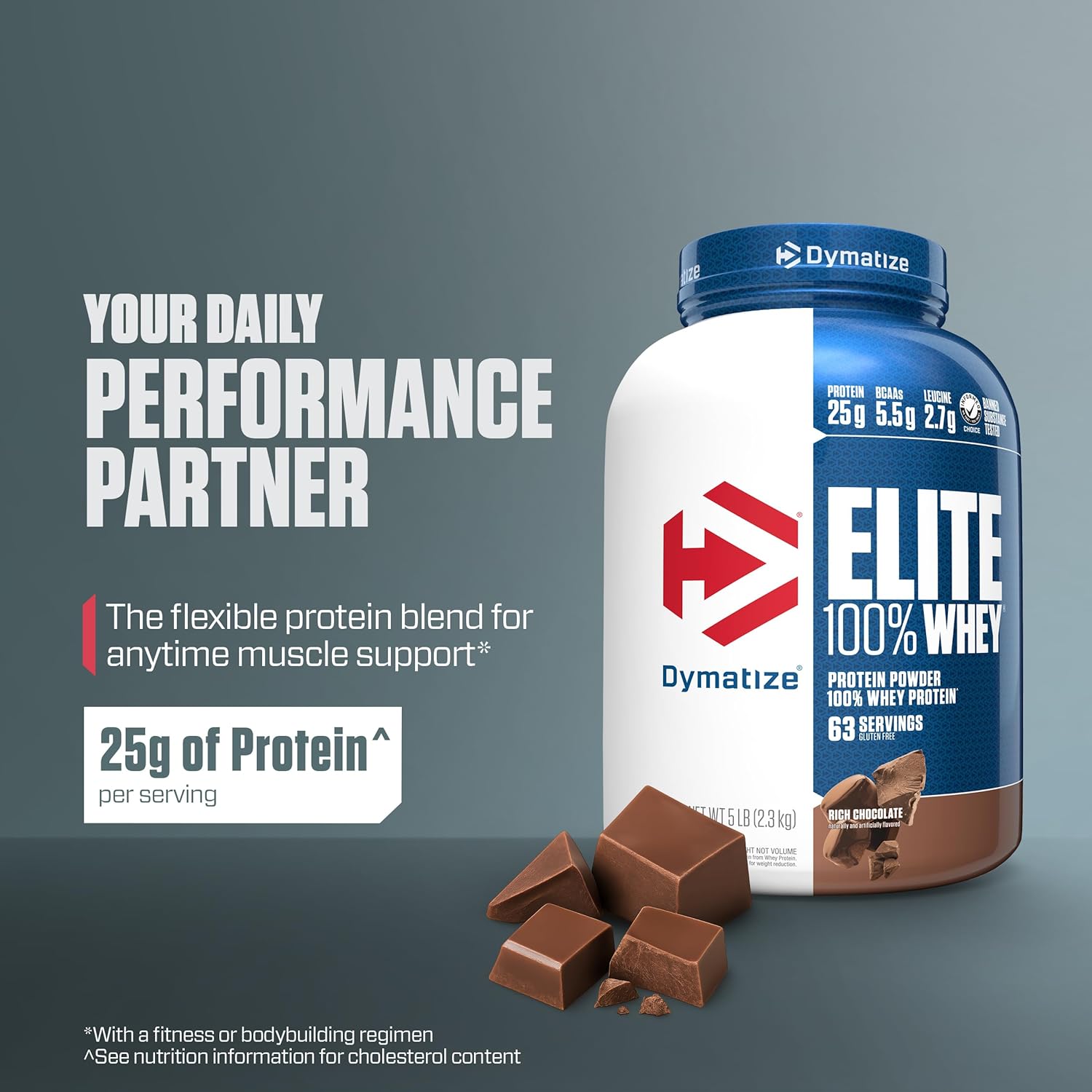
Dymatize
$76.18
In stock on Amazon
Check price on AmazonThe If/Then Decision Framework
You don’t need to overthink this. Here’s the clean version:
If you’re in a caloric surplus or maintenance and have no GI issues → whey concentrate. You’re paying less per gram of protein, getting equivalent amino acid quality per the ISSN’s protein position stand, and the extra fat and carbs are non-issues in your macro budget. A well-audited concentrate such as Optimum Nutrition Gold Standard is the rational buy.
If you’re in a cut, managing a strict macro ceiling, or have mild lactose sensitivity → whey isolate. The cleaner macro profile earns its premium. Transparent Labs or Legion Whey+ gives you verified label accuracy and a clean formulation without over-paying for certification tiers you don’t need.
If you’re competing in a drug-tested federation, are a coach recommending to clients, or need documented third-party certification → NSF Certified for Sport or Informed Sport isolate, full stop. Momentous is the current benchmark here. Thorne is the alternative for the clinical-credential audience. The price premium is a certification cost, not a marketing cost.
If a label says “proprietary blend” or “whey protein blend” without disclosing ratios → treat it as a concentrate and price-check accordingly. Per ConsumerLab’s protein powder reviews and Labdoor’s ongoing testing reports, blend products are among the most common category for label inaccuracy. Don’t pay isolate prices for unverified blend composition.
The form of whey you choose won’t make or break your progress — consistent total daily protein will. But choosing the right form for your phase, your budget, and your certification requirements is exactly the kind of precision decision that separates a thoughtful supplement protocol from a shelf full of products you’re never quite sure about.