May 12, 2026 • Diane Bennett • 9 min reading time • Prices verified June 28, 2026
NSF Certified for Sport Protein Powders: Every Tested Option Ranked
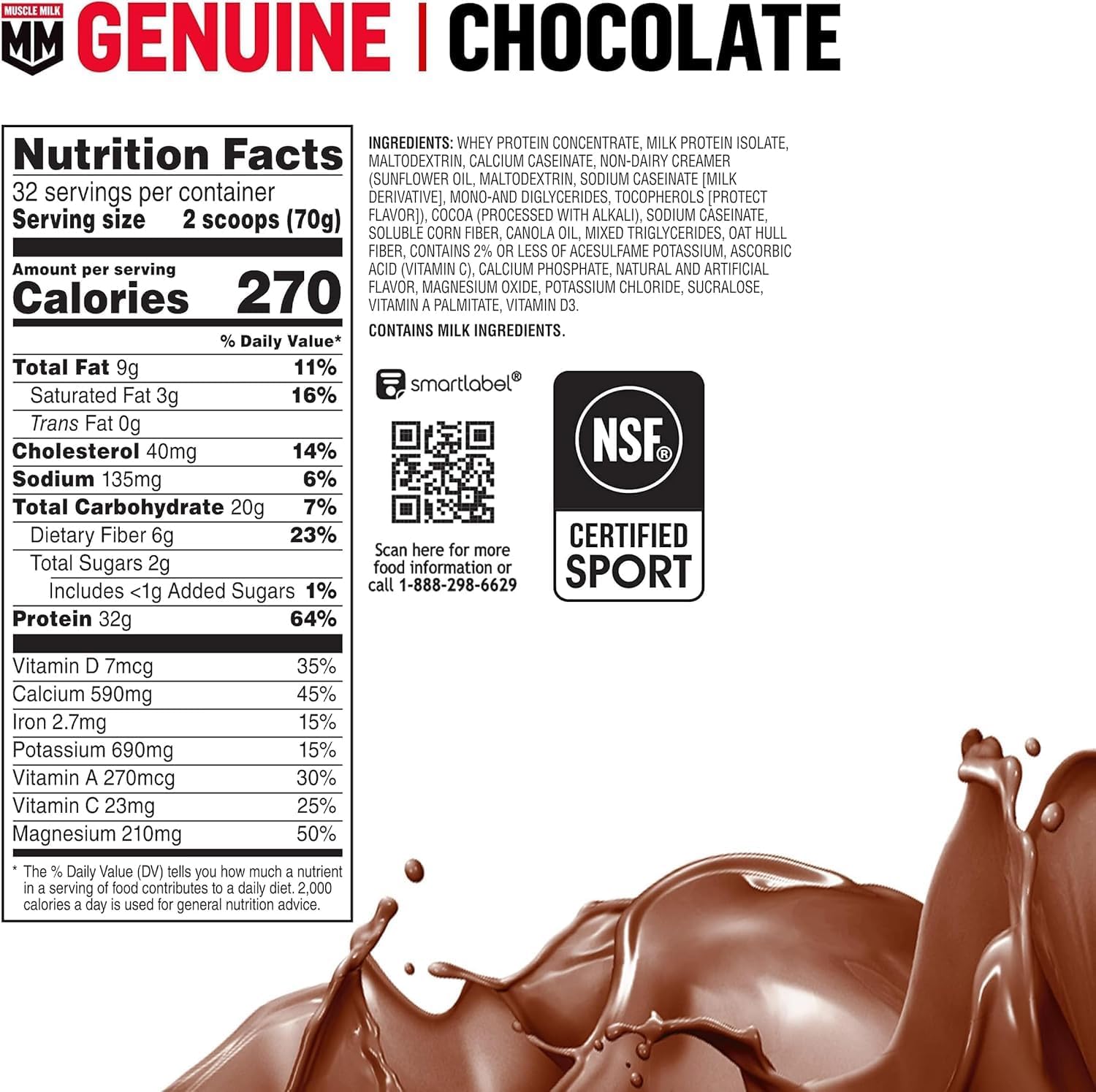
Let’s start with the basics, because the certification landscape is genuinely confusing. NSF Certified for Sport is a third-party verification program — meaning an independent organization, not the brand itself, physically tests each production batch of a supplement for two things: (1) that it contains no substances banned by major sports organizations like the World Anti-Doping Agency (WADA), the NCAA, or the NFL, and (2) that what’s on the label is actually in the product at the stated amounts. It’s the strictest routine certification program in the U.S. supplement market, and it costs brands real money and manufacturing discipline to maintain. For casual gym-goers, it’s a quality signal. For competitive athletes, coaches who advise clients, or anyone who gets drug-tested at work or in sport, it’s non-negotiable. This guide ranks every meaningful NSF Certified for Sport protein powder currently on the market, explains the tradeoffs between them, and gives you a clear decision framework so you know exactly which one fits your protocol.
Why NSF Certified for Sport Carries More Weight Than You Might Think
The supplement industry operates under a legal framework (DSHEA, the Dietary Supplement Health and Education Act) that does not require pre-market approval. A brand can formulate, label, and sell a protein powder without any independent verification that the label is accurate. Multiple ConsumerLab.com protein powder reviews have found products that delivered significantly less protein per serving than claimed — in some cases 20–30% less. Heavy metal contamination (lead, cadmium, arsenic) has appeared in popular products across multiple independent testing cycles.
NSF Certified for Sport addresses this with a multi-step process: facility audit, label review, and ongoing random batch testing of products in the market. Per NSF International’s program documentation, every certified product is screened against a list of over 270 substances prohibited by major sports organizations. The certification mark on a label means that specific SKU, in its current formulation, cleared that bar.
The ISSN’s position stand on protein supplementation (Kerksick et al., 2017, published via issn.net) notes that total daily protein intake and amino acid profile matter most for muscle protein synthesis outcomes — but that presumes the product actually contains what it claims. Certification closes that gap.
One more nuance worth naming: Informed Sport is the other major third-party certification, run by LGC Group out of the UK. It’s equally rigorous and widely respected, particularly in international sport contexts. Some products carry both marks. For this article, the focus is NSF Certified for Sport specifically, because it’s the credential most commonly required by U.S. sports organizations and frequently specified in coach-to-athlete supplement protocols.
The Current NSF Certified for Sport Protein Powder Landscape
As of May 2026, the number of protein powders carrying active NSF Certified for Sport status is relatively small — which is by design. The certification is expensive to maintain and demands consistent manufacturing practices. Here are the products with meaningful market presence, ranked by overall value-to-trust ratio for serious athletes.
Tier 1: Best-in-Class for Competitive Athletes and Drug-Tested Contexts
Momentous Essential Grass-Fed Whey Protein Momentous has positioned itself squarely at the performance-professional end of the market, and its Essential Whey reflects that. The formula uses whey protein isolate sourced from grass-fed cattle, delivers approximately 20g protein per serving at roughly 100 calories, and carries both NSF Certified for Sport and Informed Sport certification — a dual-certification setup that’s meaningful if your sport or employer recognizes only one program. Owners who follow Momentous protocols consistently note the mixability and the relatively clean ingredient list (no artificial dyes, minimal fillers). The tradeoff is price: Momentous typically runs $50–$65 for 30 servings, making it one of the higher per-serving costs in the category. For anyone who gets drug-tested — collegiate athletes, military, law enforcement, Olympic-track competitors — the dual certification justifies that premium without much debate.
Thorne Whey Protein Isolate Thorne is a long-standing name in the pharmaceutical-grade supplement space, originally built around practitioner channels (physicians, physical therapists). Their whey isolate carries NSF Certified for Sport status and reflects Thorne’s manufacturing standards: no artificial sweeteners, no gluten, minimal additives. It delivers approximately 21g protein per serving. Pricing sits around $55–$65 for 30 servings depending on flavor. Reviewers across aggregated feedback consistently identify Thorne as the pick for athletes with ingredient sensitivities — particularly those reacting to artificial sweeteners like sucralose or acesulfame-K, which appear in most mainstream NSF-certified options. If your protocol prioritizes ingredient minimalism alongside certification, Thorne is the stronger argument over Momentous on that axis specifically.
Tier 2: Serious Value with Full Certification Integrity
Bare Performance Nutrition (BPN) Whey Protein+ BPN has quietly become one of the best arguments that NSF Certified for Sport doesn’t have to come with a luxury price tag. Their Whey Protein+ carries NSF Certified for Sport certification and delivers approximately 25g protein per serving — a higher per-serving payload than most Tier 1 options — at pricing that typically runs $50–$60 for 27–30 servings. That’s meaningfully better cost-per-gram of certified protein. Labdoor’s published protein powder methodology has noted BPN products for label accuracy consistency. The formula uses a whey concentrate/isolate blend, which some practitioners view as a slight downgrade from isolate-only for lactose-sensitive athletes, though the practical difference for most users is minimal. BPN is the clearest answer for intermediate-to-advanced lifters who want full certification integrity without paying the Momentous or Thorne premium.
Klean Athlete Klean Isolate Klean Athlete is a brand built entirely around NSF Certified for Sport compliance — it’s their identity, not a marketing layer. Klean Isolate is their whey protein isolate product: unflavored, minimal ingredients, approximately 20g protein per serving. The unflavored format makes it versatile for stacking into smoothies, oats, or other foods without flavor conflict. Pricing is competitive at roughly $45–$55 for 20 servings. The tradeoff is lower serving count per tub and limited flavor variety — if you want vanilla or chocolate options, Klean has them under their broader line, but the isolate flagship is utilitarian by design. For practitioners who build custom nutrition protocols and need a clean, stackable protein base, Klean Isolate is a strong choice.
Tier 3: Accessible Entry Points With Certification
Garden of Life Sport Organic Plant-Based Protein The only certified plant-based option with consistent market presence. For vegan athletes, this is essentially the answer: NSF Certified for Sport, organic, approximately 30g protein per serving from a pea/sprouted grain blend. The per-serving protein number looks strong, but Examine.com’s evidence summaries note that leucine content (the primary amino acid trigger for muscle protein synthesis) in pea-dominant blends is lower than in whey isolate, which matters for timing-sensitive protocols. Still, across aggregated reviews from plant-based athlete communities, Garden of Life Sport consistently scores high on digestion tolerance and mixability relative to other plant proteins. At roughly $40–$55 for 12–19 servings depending on size, the cost-per-serving is higher than it appears at first glance. It’s the right choice when the vegan constraint is real — it’s not a straight upgrade over whey for omnivores chasing protein synthesis efficiency.
By the Numbers: How the Certified Options Stack Up
| Product | Protein/Serving | Cert(s) | Approx. Cost/30 Servings | Sweetener |
|---|---|---|---|---|
| Momentous Essential Whey | ~20g | NSF + Informed Sport | $55–$65 | Stevia |
| Thorne Whey Isolate | ~21g | NSF Certified for Sport | $55–$65 | Stevia |
| BPN Whey Protein+ | ~25g | NSF Certified for Sport | $50–$60 | Stevia/Sucralose (varies by flavor) |
| Klean Isolate | ~20g | NSF Certified for Sport | $50–$55 (20 srv) | None (unflavored) |
| Garden of Life Sport | ~30g | NSF Certified for Sport | $45–$55 (12–19 srv) | Stevia |
Pricing reflects approximate retail as of May 2026. Subscription discounts typically reduce cost 10–15%.
The Tradeoffs You Need to Name Before Buying
Isolate vs. concentrate blend: Isolate-only formulas (Thorne, Klean, Momentous) are higher in protein-per-calorie and lower in lactose — the right call for lactose-sensitive athletes and anyone optimizing protein density. BPN’s blend delivers more grams of protein per serving but at slightly higher caloric cost. For most non-lactose-sensitive lifters in a caloric surplus, the blend is fine and the cost savings matter.
Dual certification vs. single: Momentous is the only major protein option carrying both NSF Certified for Sport and Informed Sport simultaneously as of this writing. If your sport’s governing body accepts only one or the other, confirm which before buying. For NCAA athletes, NSF Certified for Sport is the more commonly specified program.
Artificial sweeteners: This matters more than many practitioners acknowledge. Sucralose and acesulfame-K appear in some BPN flavors but not others. Thorne and Momentous use stevia exclusively. Klean Isolate unflavored has none. If you’re building a long-term protocol that involves multiple daily servings, the sweetener profile compounds — worth checking the specific flavor SKU on the NSF certified product list at nsfsport.com before purchasing, since certification applies to specific SKUs, not entire product lines.
Reformulation risk: This is a real issue in the certified segment. When a brand reformulates — changing a sweetener, a protein source, or an additive — the new formulation must go through recertification. During the window between reformulation and recertified status, the old certified listing may still appear on retail pages. The cleanest verification step is always cross-referencing the product’s specific lot number against the current NSF certified product database directly, which is publicly searchable.
The Decision Rule
Here’s the clean version:
- Drug-tested athlete or dual-certification requirement → Momentous Essential Whey. Pay the premium. The dual cert and clean label are worth it for this use case.
- Ingredient sensitivity (sweetener-free, minimal additives) → Thorne Whey Isolate for flavored options, or Klean Isolate for unflavored/stackable use.
- Best certified protein per dollar, no special constraints → BPN Whey Protein+. The higher protein-per-serving and competitive pricing make this the practical workhorse for consistent protocol use.
- Vegan/plant-based requirement → Garden of Life Sport. It’s the only certified plant option with broad availability. Adjust leucine expectations and consider EAA supplementation if optimizing muscle protein synthesis timing.
Every option on this list has cleared the same fundamental bar: an independent third party has confirmed the label reflects the product, and banned substances have been screened. The differences between them are about fit — your budget, your sensitivity profile, your governing body’s credential requirements, and your protocol architecture. Pick the one that matches those constraints and get back to training.